What Holds Us, part 2
A Portrait You Get to Live Inside
For most of my career, I’ve thought of a home as a kind of three-dimensional portrait.
A reflection of how someone lives, what they love, what they collect, what they notice, and what makes them feel most like themselves.
And once you start thinking about a home this way, you begin to notice how much of our daily experience is shaped by what surrounds us.
What greets you when you walk through the door?
What is the art you look at every morning?
What is across from the place where you drink your coffee?
How does the chair feel under your body? What do your feet feel when they hit the floor? What happens to the room when the afternoon sun comes in?
Does the dining room make you want to linger?
Does your bedroom make you exhale?
What are we looking at all day long?
What are we ingesting?
When I was young and learning about computer science, they taught us GIGO — garbage in, garbage out. Basically, if you don’t put good information into a system, you probably aren’t going to get a great result out of it.
Obviously our brains are not computers, and I’m not trying to turn any of this into a formula. But I do think about that idea.
What are we feeding our eyes?
Our senses?
Our thoughts?
I think beauty can nourish us.
Meaning certainly can.
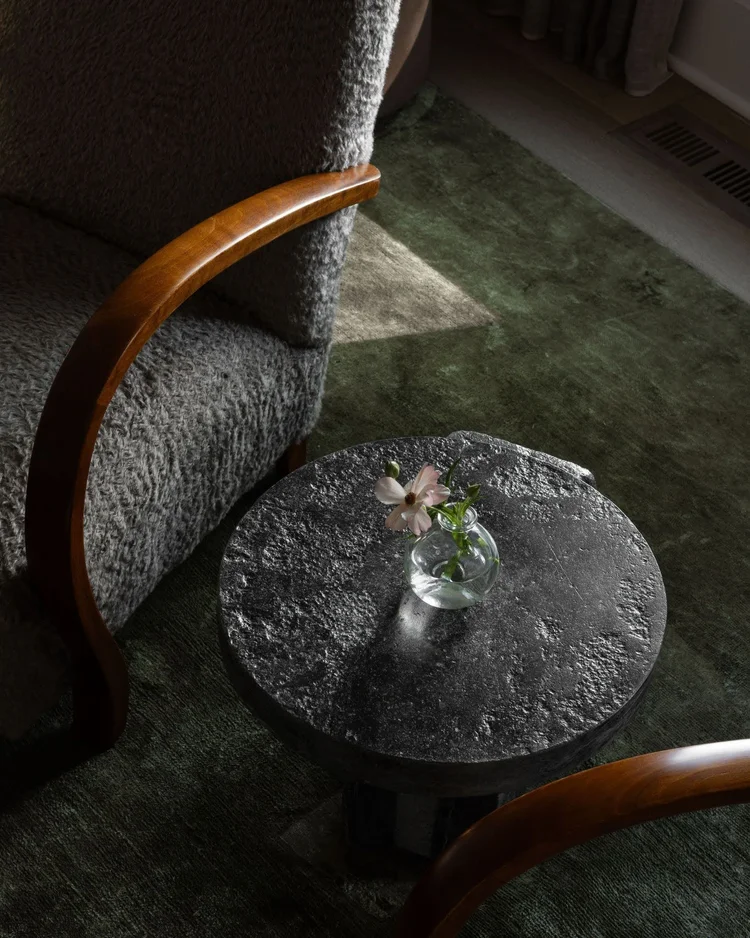
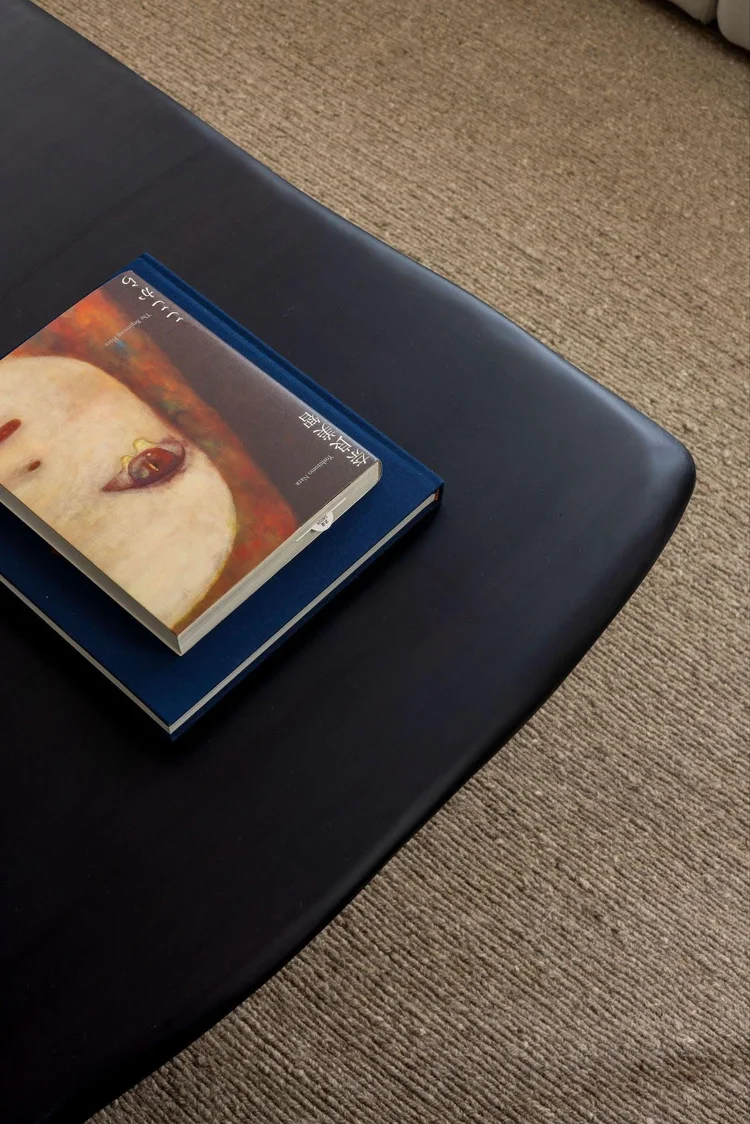
A photograph from a place that changed you. A painting that does something to you every time you walk past it. Something you brought home from a trip. Something that belonged to your grandmother. The particular feeling of old wood or stone or washed linen. A view through a window that stops you for a second every morning.
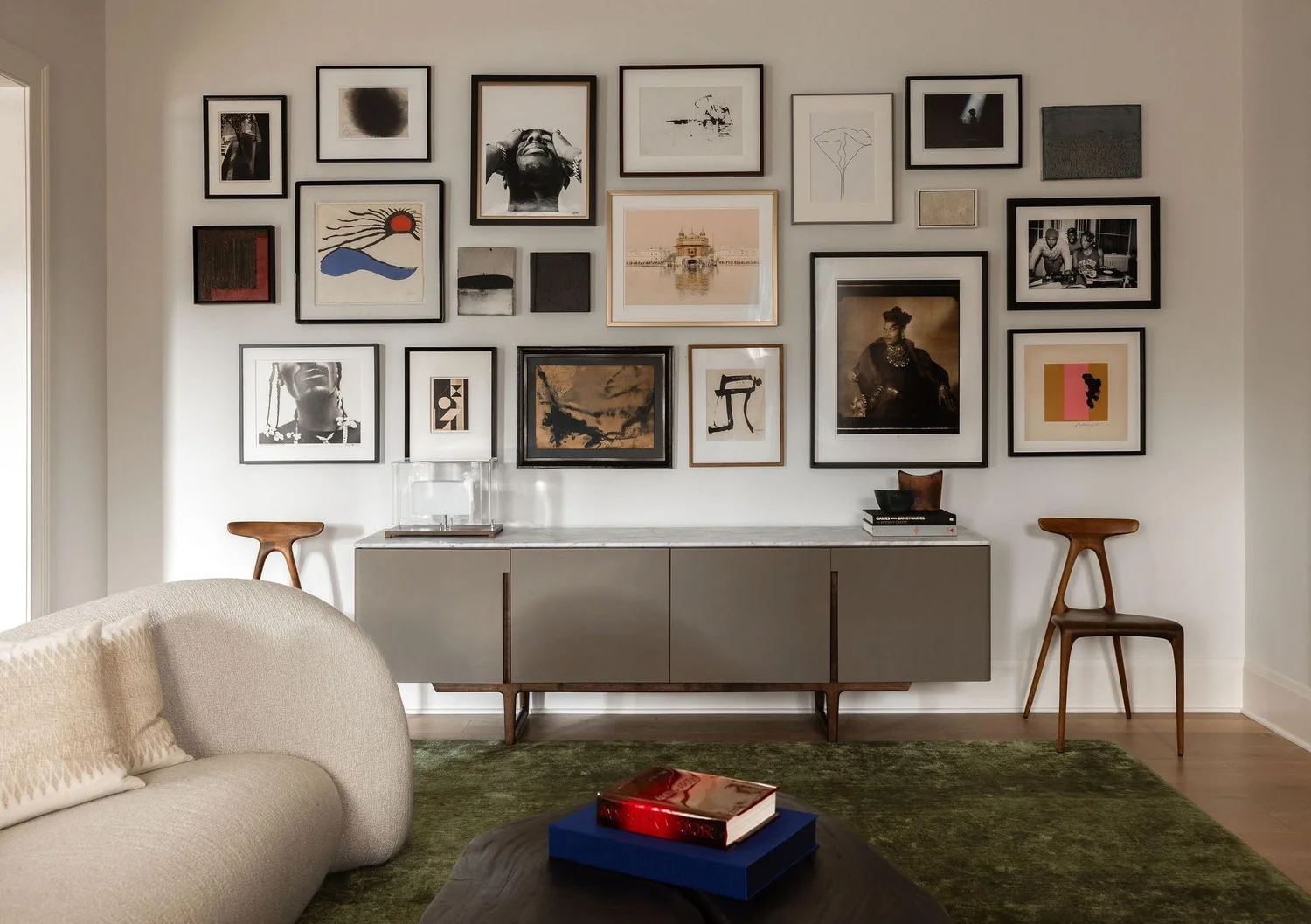
These aren’t just “things” when they mean something to the person living with them.
They become part of the experience of being home.
And it turns out people have been thinking and writing about this for a very long time.
I came across the Finnish architect and writer Juhani Pallasmaa, who writes about architecture as something we experience with our whole bodies — not just visually, but through touch and sound and memory and movement. He has written beautifully about home and identity and the way places become intertwined with who we are.
Over the last several decades, neuroscience has given us increasingly sophisticated ways to investigate experiences human beings may have understood intuitively long before we could measure them. I love this kind of inquiry. I’m fascinated by neuroscience and research into consciousness, and especially by those moments when science begins to give language to something we already recognize in ourselves.
One place this inquiry has led is neuroarchitecture, an emerging field looking at what happens in our brains and bodies in response to the environments around us. Researchers are asking questions about how we experience space, light, material, proportion, beauty, memory and place — and how the built environment may affect things like emotion, attention, stress and wellbeing.
I find that incredibly exciting. In some ways, it feels like science is beginning to illuminate something human beings have been experiencing all along: the places around us affect us.
And I’ve certainly watched that happen in our work.
I’ve seen people walk into their completed homes and have this almost physical reaction.
They feel good there.
They feel like themselves there.
And probably the feedback that means the most to us is when someone says they feel seen and heard.
We’ve even had clients tell us that after finishing their homes, they didn’t want to go on vacation for a while. They just wanted to stay home.
I completely understand that.
There is something about being in a place that has been made specifically for you that feels almost like putting on a pair of pants — or a dress or whatever it is — that fits exactly right. You know that feeling when nothing is pulling, nothing needs adjusting, you aren’t thinking about it constantly.
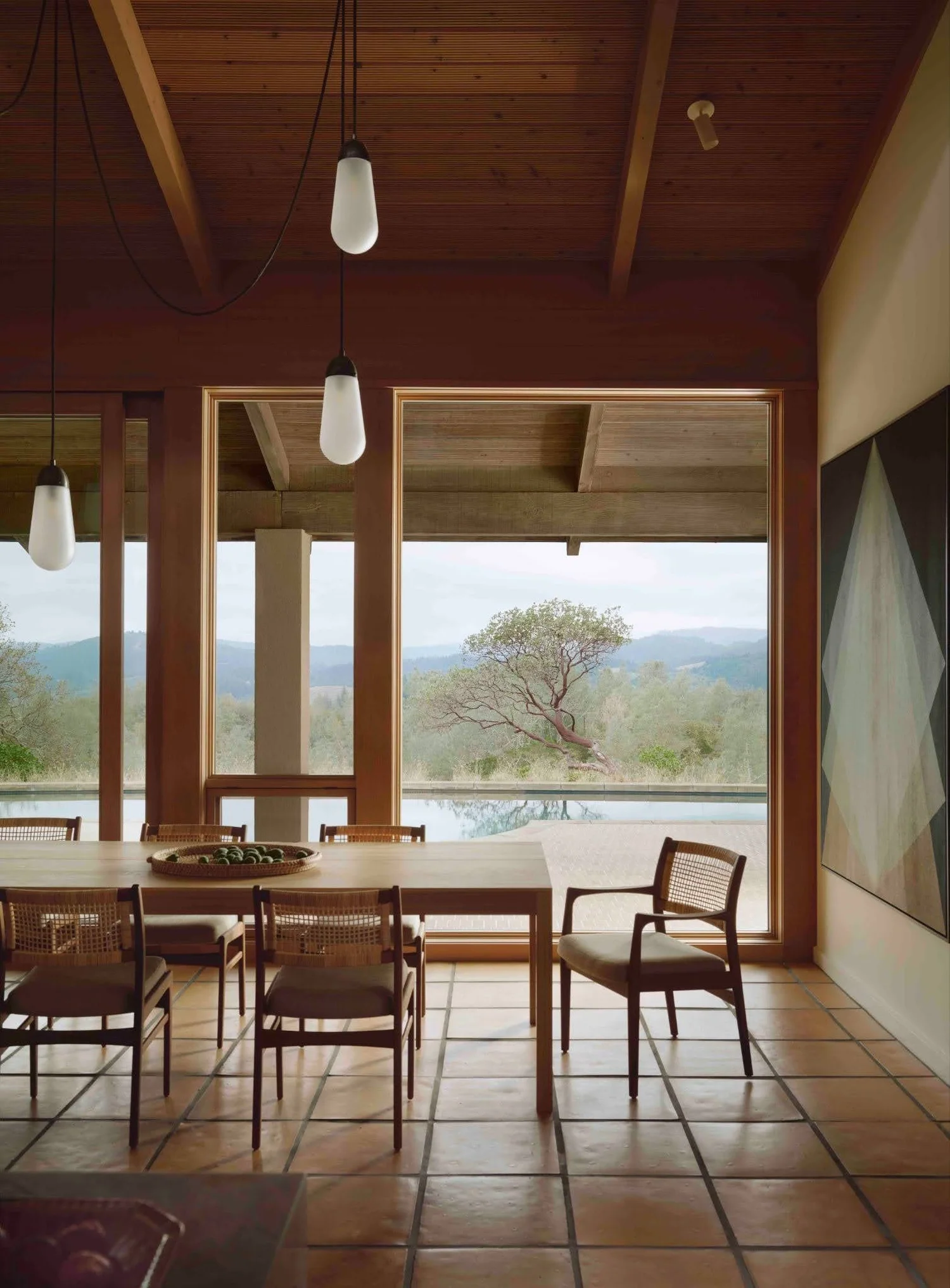
It just fits.
And then I started thinking about a photograph I’ve loved for a long time.
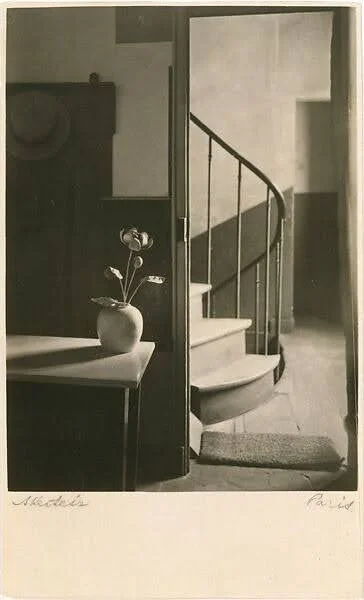
Almost exactly one hundred years ago, in 1926, André Kertész went into Piet Mondrian’s home and studio in Paris and made what became one of his most famous photographs, Chez Mondrian.
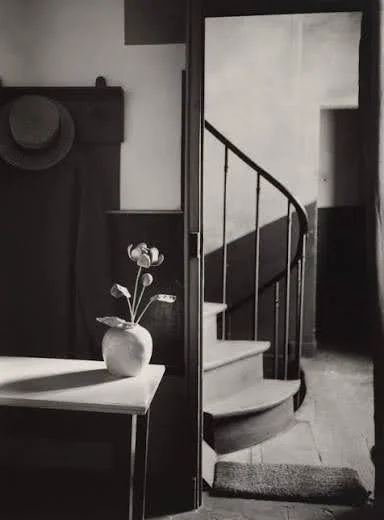
Mondrian isn’t in it.
But he is.
You look at that photograph and there is the stair. The geometry. The restraint. The little vase and single flower. Everything feels considered. The room tells you something about the mind of the person who lived there before you ever see the person himself.
It’s a photograph of a home.
But somehow, it is also a portrait.
A portrait without the person in it.
And then you can look at Mondrian’s paintings — even Broadway Boogie Woogie, painted many years later in New York — and of course the room and the painting aren’t literally the same thing.
But you recognize something.
The same eye.
The same sense of rhythm and order.
The same way of seeing the world.
I love that Chez Mondrian was made a hundred years ago because it reminds me that none of this is really new.
Long before there was a term like neuroarchitecture, long before Instagram and algorithms and the endless stream of images telling us what our houses are supposed to look like, people were putting themselves into the places where they lived.
We always have.
Our homes tell stories about what we love, where we’ve been, what we want to look at, what we choose to keep close to us, who we invite in and how we spend our time.
They carry pieces of us everywhere.
Maybe our homes have always been a kind of three-dimensional self-portrait.
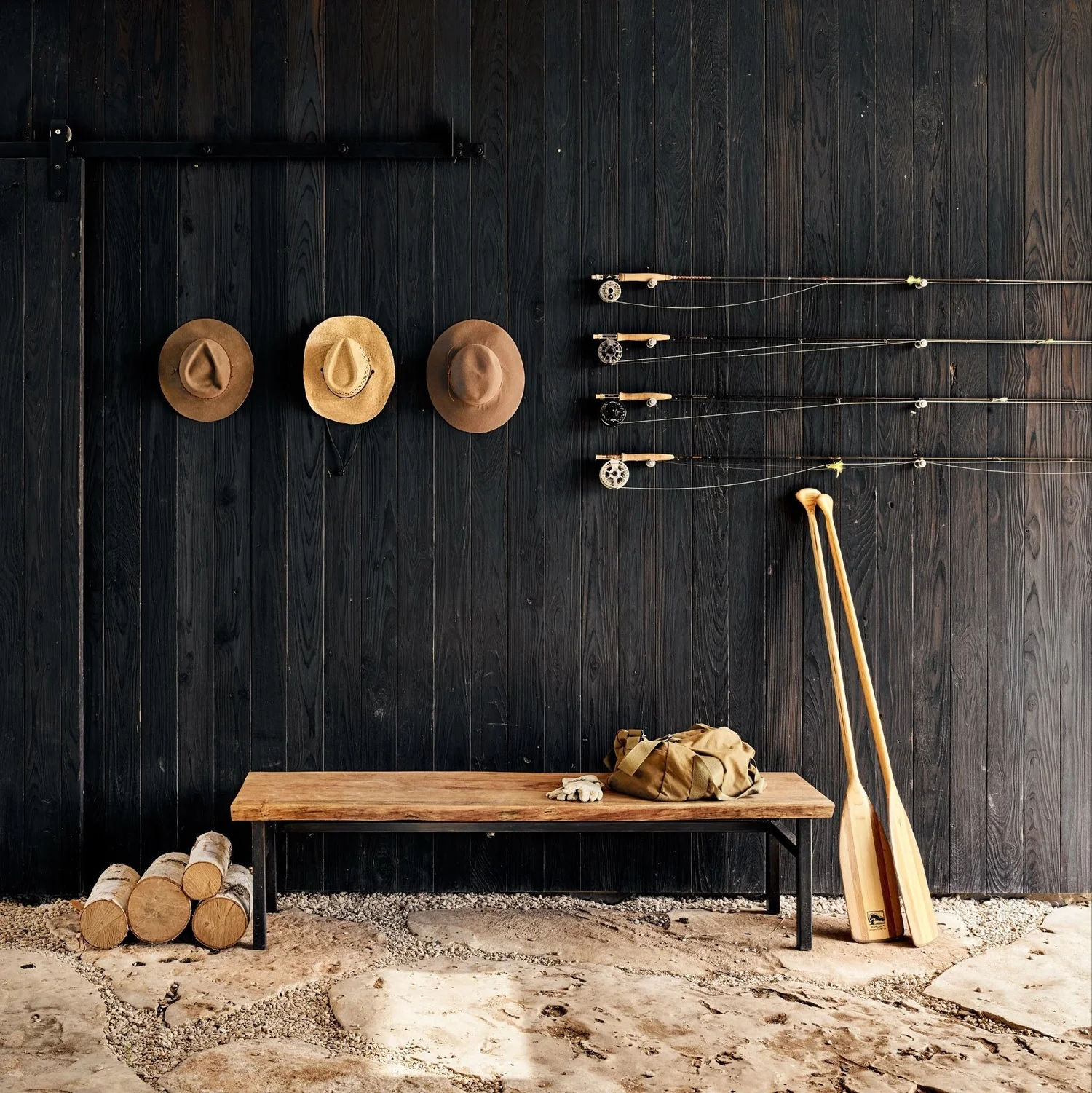
And I think there is one more part of it.
A home doesn’t have to reflect only who you already are.
At its best, maybe it can help support who you are becoming.
It can make it easier to gather if you want more connection. Easier to retreat if you need quiet. Easier to create. To rest. To think. To celebrate. To spend time with the people you love.
Which brings me right back to where I started.
We nourish the soul.
We take care of the body that carries it.
And I think we should care deeply about the home that holds them both.
Not because everything has to be perfect. Not because we all need more things.
Almost the opposite.
Because the things we surround ourselves with, the spaces we create and the way those spaces make us feel become part of the experience of our lives.
I want a home to feel physically good — tactilely, visually, emotionally.
But more than anything, I want the person living there to feel known.
To walk through the door and, maybe without even putting words around it, feel:
This is me.
I can breathe here.
I belong here.
POSTSCRIPT
As I was writing these pieces, I kept thinking about my own studio and how completely I feel held by it. Most mornings I wake up here a little giddy to greet the sunrise. At night I look at the stars, and somehow my soul settles inside this container that was built for me.
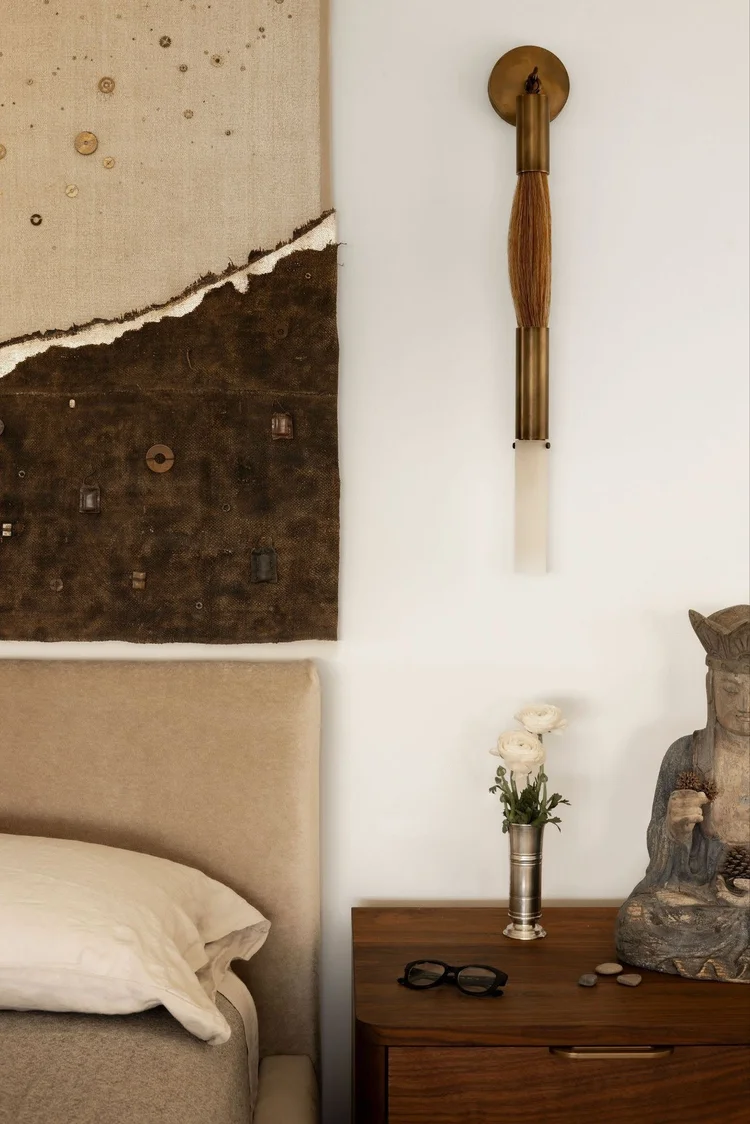
When Shade photographed this quiet corner, with the ranunculus, the edge of Landscape of Blessings and the Bodhisattva, I realized he had captured that feeling.
This is me. I can breathe here. I belong here.